
How Flooring Installation Works in Westport, CT
Pinnacle Flooring installs hardwood, engineered wood, laminate, luxury vinyl and tile floors in Westport homes. We handle the full job, from removing old flooring and preparing the subfloor to the final trim. Call (475) 335-8542 to talk through your project and get a written estimate.
Flooring installation is the removal of old flooring, preparation of the subfloor and fitting of new hardwood, engineered wood, laminate, luxury vinyl or tile. Pinnacle Flooring installs floors for homeowners and property owners in Westport, CT, covering measurement, moisture testing, leveling, installation and trim.
What Flooring Installation Involves and Why It Matters
Flooring installation is the work of taking a room down to a sound subfloor and laying a new floor that stays flat, quiet and tight for years. The visible boards or tiles are only part of the job. Most of what decides how long a floor lasts happens underneath, in the leveling, moisture control and fastening.
A poorly installed floor shows its problems quickly. Common signs include squeaks, gaps that open each winter, cupped boards, cracked tile grout and planks that separate at the seams. Most of these trace back to an uneven subfloor, skipped acclimation or moisture that was never measured.
New flooring solves practical problems as well as cosmetic ones. It replaces worn carpet that traps dust, water-damaged boards near kitchens and baths, and dated vinyl that has started to lift. It can also make a basement usable with a floor rated for below-grade moisture.
Pinnacle Flooring approaches every installation as a building job rather than a decorating one. We test moisture, check flatness and fix the subfloor before any new material goes down. You get a written scope that names the material, the prep work and the timeline, so there are no surprises once the old floor comes up.
How Each Type of Flooring Is Installed
Flooring installation at Pinnacle Flooring starts with an on-site measurement and inspection of the existing floor and subfloor. We measure every room, note transitions and doorways, and check the subfloor for flatness, loose panels and soft spots. A moisture meter reading tells us whether the space is ready for wood or needs a vapor barrier.
Tear-out and disposal of old flooring are included in a standard job. Carpet, pad, tack strip, old vinyl and worn laminate are removed and hauled away. In homes built before 1978, painted baseboards and trim are handled with lead-safe work practices, and older vinyl tile or sheet flooring is checked before removal because it can contain asbestos.
Subfloor preparation is where most of the labor goes. Loose plywood is screwed down to stop squeaks, high spots are sanded and low spots are filled with patch or self-leveling compound. Tile gets a cement backer board or uncoupling membrane, and floating floors get the correct underlayment.
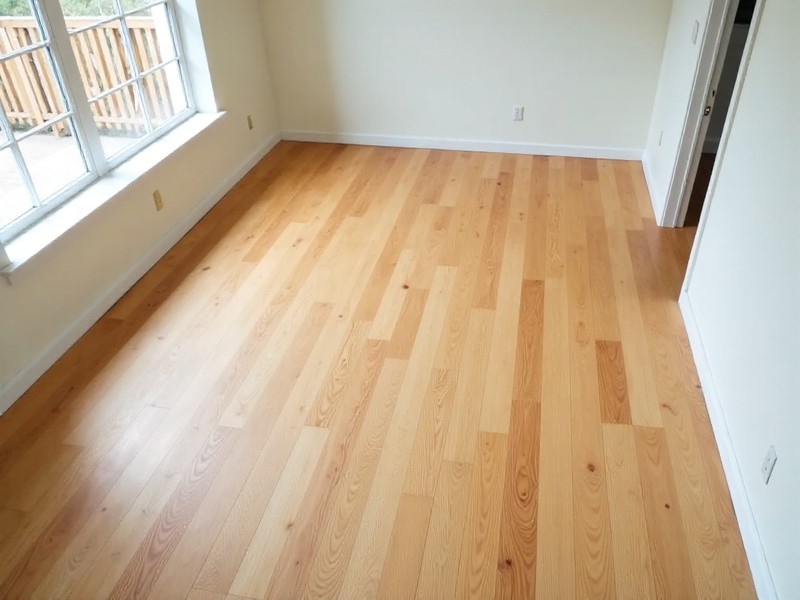
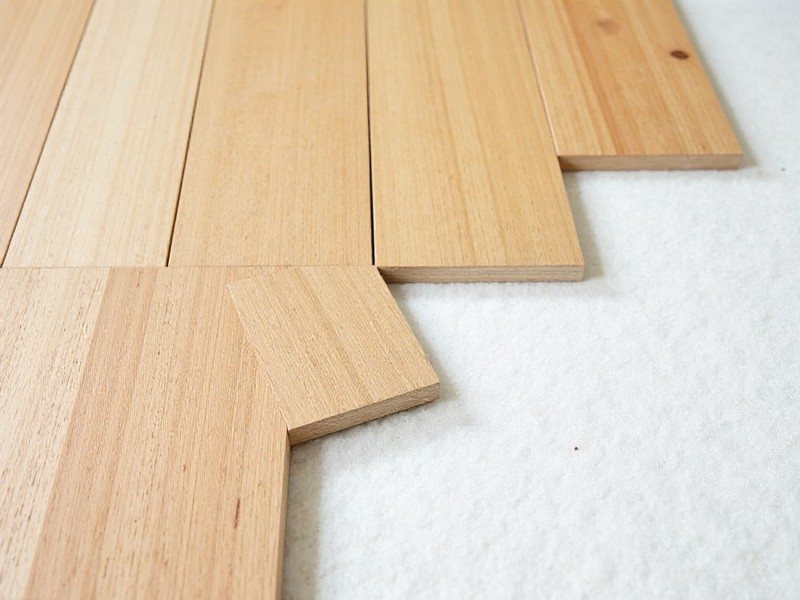
Installation methods depend on the material. Solid hardwood is nailed down with a pneumatic flooring nailer, engineered wood can be nailed, glued or floated, and laminate and luxury vinyl plank click together over underlayment. Tile is set in thinset mortar with spacers, then grouted and sealed where needed.
Finishing work completes the room. We install or reinstall baseboards and shoe molding, fit transition strips at doorways, undercut door jambs so the new floor slides beneath them, and clean the space before walkthrough. Site-finished hardwood adds sanding, stain and coats of finish.
Timelines vary by material and size. Most laminate and vinyl plank rooms take one to two days, prefinished hardwood two to four days for a typical floor, and tile or site-finished hardwood several days because of curing and drying time. Wood also needs a few days to acclimate in the home before installation begins.
What Proper Floor Installation Gets You
Floors That Stay Flat
Flooring installed over a properly leveled subfloor resists squeaks, bounce and seam separation. Pinnacle Flooring checks flatness with a straightedge before installation and corrects dips and humps, which also protects the warranty, since most flooring manufacturers require the subfloor to meet a specific flatness tolerance before they will honor a claim.
Moisture Problems Caught Early
Moisture testing before installation shows whether a wood floor will cup or gap after it goes down. Readings from the subfloor and the new material guide decisions about acclimation time, vapor barriers and whether a basement needs vinyl or tile instead of wood. Catching this early prevents the most expensive flooring failures.
Material Matched to Each Room
Flooring choice should follow how a room is used. Kitchens, mudrooms and baths benefit from waterproof vinyl plank or tile, while living areas and bedrooms suit hardwood or engineered wood. Matching the material to moisture, foot traffic and pets keeps the floor looking right for longer and avoids early replacement.
Clean Transitions and Trim
Finished flooring looks professional when the edges are right. Door jambs are undercut, transition strips are fitted where materials meet, and baseboard and shoe molding cover expansion gaps neatly. These details separate a floor that looks built-in from one that looks laid on top of the old room.
One Crew, Full Scope
Flooring projects run smoother when one team handles tear-out, prep, installation and trim. There is no gap between a demolition crew and an installer, and no confusion about who fixes a subfloor problem found mid-job. You have one point of contact and one written estimate that covers the entire floor.
Added Resale Appeal
New flooring is one of the first things buyers notice in a home. Replacing worn carpet or dated vinyl with hardwood, engineered wood or quality plank flooring makes rooms feel updated and easier to maintain. It also removes an obvious repair item from an inspection report when the time comes to sell.
Flooring Installation From Estimate to Walkthrough
Measure and Inspect
Flooring installation begins with a visit to measure each room, inspect the subfloor and take moisture readings. We discuss how the space is used and which materials fit it.
Written Estimate and Material Order
You receive a written estimate listing material, square footage with waste allowance, prep work, tear-out and trim. Once approved, materials are ordered and wood is delivered early to acclimate.
Protect and Remove
Furniture paths and adjoining rooms are protected, then old flooring, pad and fasteners are removed and hauled away. Dust control and lead-safe practices are used where the home calls for them.
Prepare the Subfloor
Loose panels are fastened, high spots ground down and low spots filled. Underlayment, vapor barrier or tile backer is installed to suit the new floor.
Install the New Floor
The floor is laid from a straight reference line using the correct nailing, gluing, floating or thinset method, with expansion gaps maintained at walls and fixed objects.
Trim, Clean and Walk Through
Baseboards, shoe molding and transitions are installed, the room is cleaned, and we walk the floor with you, covering care instructions and when furniture can return.
What Should You Know Before Installing New Floors?
Common questions about flooring installation
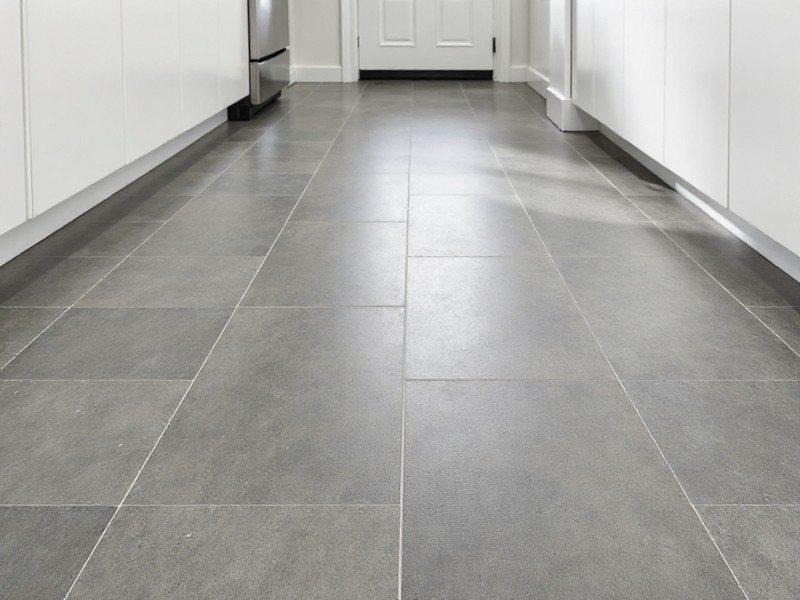
Pinnacle Flooring installs solid hardwood, engineered wood, laminate, luxury vinyl plank and tile. Solid hardwood suits main living areas above grade. Engineered wood handles humidity swings better and works over concrete. Luxury vinyl plank and tile are the strongest choices for kitchens, baths, mudrooms and basements, where spills and moisture are common.
Flooring installation labor typically runs about $2 to $8 per square foot, depending on material and complexity. Click-lock laminate and vinyl sit at the low end, nail-down hardwood in the middle, and tile or site-finished hardwood at the high end. Materials, subfloor repair, tear-out and stairs are priced separately in a written estimate.
Subfloor preparation is needed on most flooring jobs, especially in older Westport homes. Typical work includes screwing down loose plywood to stop squeaks, filling low spots, grinding high spots and replacing water-damaged sections. The amount needed is not fully known until the old floor is removed, so estimates note how added prep will be priced.
Flooring installation for an average room takes one to two days with laminate or vinyl plank. Prefinished hardwood across several rooms usually takes two to four days. Tile and site-finished hardwood take longer because mortar, grout, stain and finish coats need curing or drying time between steps. Wood also acclimates in the home for several days beforehand.
Laminate, vinyl plank and prefinished hardwood can be walked on as soon as installation is finished, and furniture can usually return the same day. Tile needs about 24 hours before light foot traffic. Site-finished hardwood generally allows socks after a day, furniture after two to four days, and rugs after roughly two weeks.
Hardwood acclimation lets the boards reach a moisture level close to the home's normal conditions before they are fastened down. Connecticut's humid summers and dry heated winters cause wood to expand and shrink. Installing boards that are too wet or too dry leads to gaps, cupping or buckling, so moisture readings guide when installation starts.
Floating laminate or vinyl plank can sometimes go over existing vinyl or tile that is flat, firmly bonded and in good condition. Carpet must always come out, and hardwood generally needs a clean, solid subfloor. Layering raises floor height, which can affect doors, appliances and transitions, so tear-out is usually the more reliable option.
Old vinyl tiles, sheet flooring and their adhesives in older homes can contain asbestos and should not be sanded, scraped or broken until tested. Homes built before 1978 may also have lead paint on baseboards and trim. Pinnacle Flooring checks for these materials before tear-out and uses lead-safe practices where required.
Sources
- Lead Renovation, Repair and Painting Program, U.S. Environmental Protection Agency — Lead-safe work practices in homes built before 1978
- Protect Your Family from Exposures to Asbestos, U.S. Environmental Protection Agency — Older vinyl flooring and adhesives can contain asbestos
Service Areas
We proudly serve these locations
Need Flooring Installation in Westport, CT?
Get a written quote with measurements, materials and prep work spelled out clearly.
Call (475) 335-8542Last updated